Get Lawn Curbing Installation
Lawn curbing installation services help property owners define lawn edges, prevent soil erosion, and enhance landscape appearance through professional installation by local contractors.
Lawn curbing installation is a practical enhancement for property owners looking to define landscape borders, improve curb appeal, or create a more organized outdoor space. Whether planning a new landscaping project or upgrading existing features, exploring local contractors who specialize in lawn curbing can provide valuable options for achieving a polished look. This service not only adds aesthetic value but also helps with lawn maintenance by creating clear boundaries that prevent grass from spreading into flower beds or walkways.
For those considering lawn curbing, comparing local service providers can ensure the right fit for specific project needs. Property owners may seek durable materials, professional craftsmanship, or tailored designs to complement their outdoor environment. Continuing to explore available options can help inform a well-planned approach to enhancing outdoor spaces with quality curb installation from experienced local contractors.
- Residential Lawn Edging - homeowners may need this service to define garden beds and create a polished yard appearance.
- Commercial Property Curbing - business owners might seek curb installation to improve the landscape and curb appeal of their premises.
- Landscape Design Enhancements - property owners may want to incorporate lawn curbing as part of a broader landscape upgrade.
- Yard Renovation Projects - during yard makeovers, clients often look for professional curb installation to achieve a clean, finished look.
- Erosion Control and Soil Retention - those dealing with soil erosion issues may require curb installation to help manage and contain soil movement.
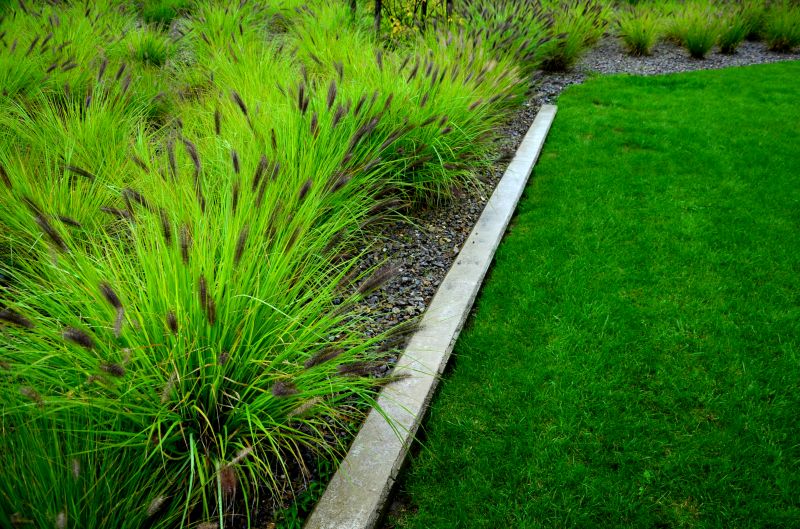
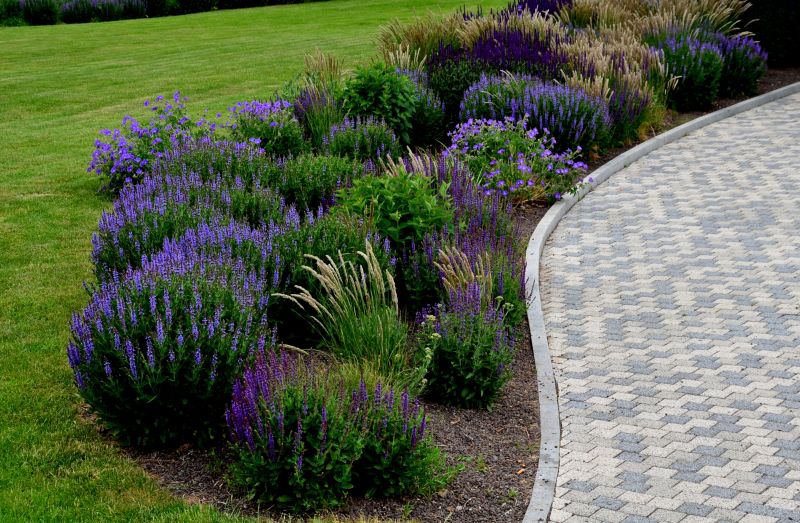
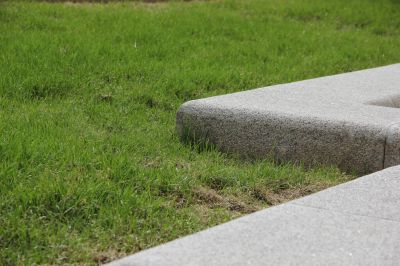
Lawn curbing installation involves creating a defined border between a lawn and other landscape features such as flower beds, walkways, or driveways. This service typically includes the placement of durable edging materials like concrete, stone, brick, or plastic to form a clean, attractive boundary. Properly installed lawn curbing helps to organize outdoor spaces, making them look neat and well-maintained. It can also serve practical purposes by preventing grass from spreading into beds and reducing the need for ongoing trimming along edges.
One common problem lawn curbing addresses is the maintenance challenge of keeping grass from encroaching into flower beds or walkways. Without a clear border, grass and weeds can quickly spread, requiring frequent trimming and weed control efforts. Lawn curbing provides a physical barrier that keeps these areas distinct, reducing ongoing maintenance and helping to preserve the landscape’s appearance. Additionally, it can help prevent soil erosion and control water runoff, which can be especially beneficial on sloped properties.
This service is often used on residential properties, including single-family homes, townhouses, and multi-family complexes. It’s particularly popular in yards with elaborate landscaping, gardens, or outdoor living spaces where a tidy appearance is desired. Commercial properties, parks, and community spaces may also utilize lawn curbing to define landscaped areas and improve overall curb appeal. Properties with uneven terrain or areas prone to erosion often find lawn curbing especially helpful in maintaining a stable, attractive landscape.
Homeowners who notice their lawn edges becoming unruly or their flower beds blending into the grass may consider lawn curbing installation. It’s also a practical upgrade for those looking to enhance the visual appeal of their yard or simplify landscape maintenance. By working with local contractors experienced in lawn curbing, homeowners can find options that suit their property’s style and needs. Contacting local service providers can help determine the best type of edging and installation approach to achieve a clean, durable boundary around outdoor spaces.
The overview below groups typical Lawn Curbing Installation projects into broad ranges so you can see how smaller, mid-sized, and larger jobs often compare in your area.
In many markets, a large share of routine jobs stays in the lower and middle ranges, while only a smaller percentage of projects moves into the highest bands when the work is more complex or site conditions are harder than average.
Smaller Repairs - minor curb repairs or touch-ups typically cost between $250 and $600 for many routine jobs. These projects usually involve fixing or replacing small sections of existing curbing. Many projects fall into this middle range, with fewer reaching the higher end.
Standard Curbing Installation - installing new lawn curbing around a standard-sized yard generally ranges from $1,200 to $3,000. This includes typical designs and straightforward layouts, which most local contractors can handle within this price band.
Custom or Decorative Curbing - more intricate or decorative curb designs can cost between $3,000 and $5,500. These projects often involve detailed work or unique materials, with fewer jobs reaching the higher tiers.
Full Property Curb Replacement - replacing all existing curbing on a larger property can range from $5,000 to $12,000 or more. Larger, more complex projects tend to fall into this higher cost range, depending on size and design complexity.
Actual totals will depend on details like access to the work area, the scope of the project, and the materials selected, so use these as general starting points rather than exact figures.
Concrete Edging Projects - Local contractors skilled in concrete work can install decorative or functional edging around gardens and walkways, similar to lawn curbing installation.
Landscape Border Installation - Professionals experienced in defining landscape boundaries use similar planning, tools, and materials as those used in lawn curbing projects.
Garden Bed Edging - Installing borders for flower beds and vegetable gardens involves precise planning and the use of edging materials comparable to lawn curbing techniques.
Driveway Apron Construction - Building smooth transitions between driveways and lawns requires similar skills in grading, edging, and material placement as lawn curbing.
Pathway and Walkway Installation - Laying out and installing durable pathways involves planning, leveling, and material handling comparable to lawn edging projects.
Retaining Wall Construction - Erecting small retaining walls for landscaping shares planning and excavation skills with lawn curbing installation.
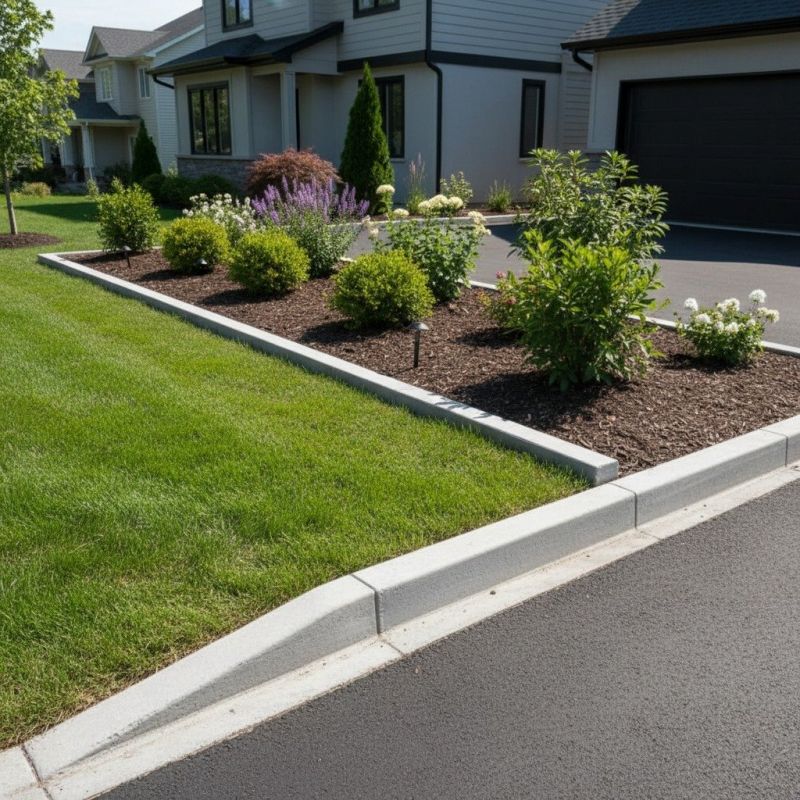
When evaluating potential service providers for lawn curbing installation, it’s important to consider their experience with similar projects. Homeowners should inquire about how many curbings they have completed that resemble the scope and style desired. A contractor’s familiarity with different materials, design preferences, and landscape layouts can indicate their ability to handle the specific needs of the job effectively. Reviewing their portfolio or asking for examples of past work can provide insight into their expertise and the quality of results they deliver.
Clear, written expectations are essential to ensure that both parties are aligned on the project’s scope, materials, and finishes. Homeowners should seek detailed proposals or estimates that outline the work to be performed, including the type of curb material, dimensions, and any additional services. Having this information in writing helps prevent misunderstandings and provides a reference point throughout the project. Open communication about expectations also fosters a smoother process and helps ensure the finished curb complements the overall landscape.
Reputable references and good communication are key factors when selecting local contractors for lawn curbing. Homeowners are encouraged to ask for references from previous clients to gauge the contractor’s reliability, professionalism, and quality of work. Additionally, responsive and transparent communication during the inquiry process can indicate how well a service provider understands customer needs and maintains ongoing dialogue. These qualities contribute to a positive experience and increase confidence that the project will be completed to satisfaction. It’s important to remember that this site introduces homeowners to local options, not that it performs the work itself.
Property owners use Lawn Curbing Installation services for practical projects around their homes and businesses. This guide focuses on everyday jobs and straightforward project options.
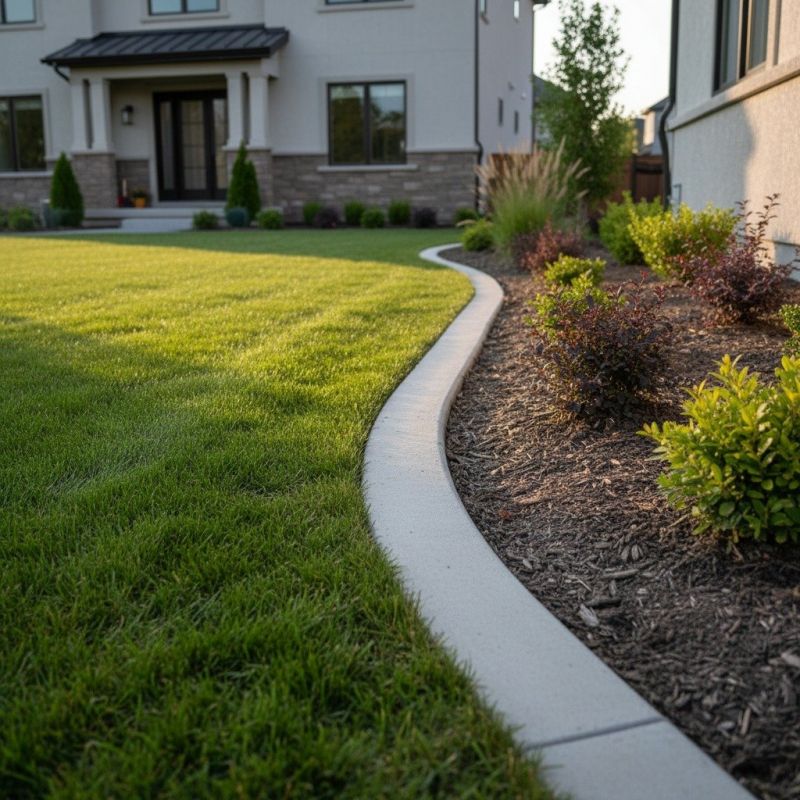
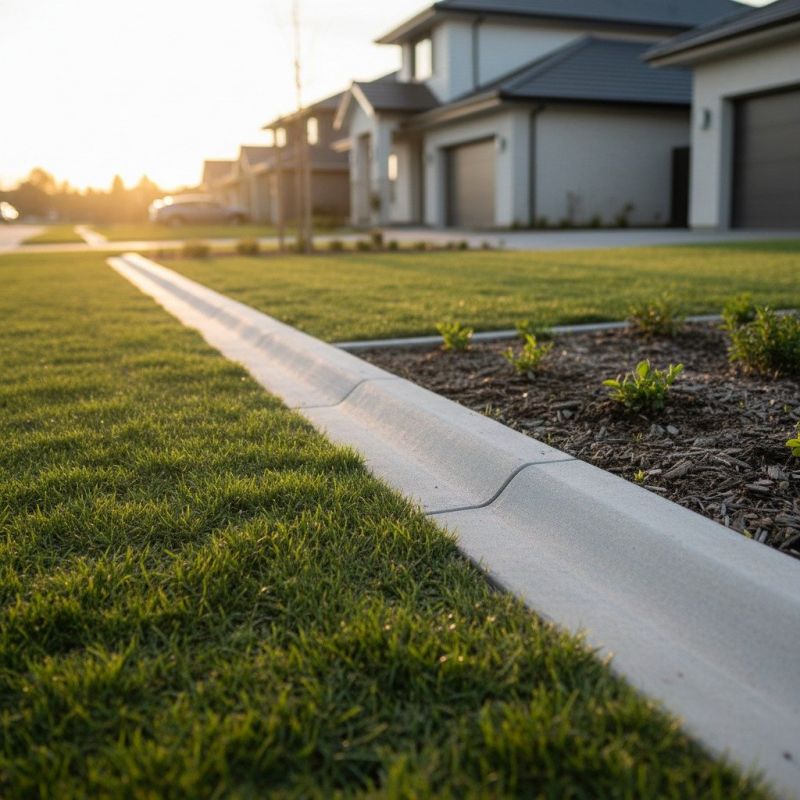
Lawn curbing installation is a common project for property owners looking to enhance the appearance and functionality of their outdoor spaces. Homeowners might seek this service to create clear boundaries between lawns and flower beds, prevent grass from spreading into unwanted areas, or add a decorative touch to their landscape. Local contractors can provide solutions that help define yard edges neatly, making maintenance easier and boosting curb appeal.
In addition, property owners often turn to local service providers for lawn curbing when they want a low-maintenance and durable landscape feature. Whether for a residential yard or a commercial property, curb installation can help improve the overall look and organization of outdoor spaces. Local pros are equipped to handle a variety of project sizes and styles, ensuring that the curb complements the property's existing landscape.
What is lawn curbing installation? Lawn curbing installation involves adding a decorative or functional border along the edges of a lawn to define landscaping areas and prevent grass from spreading into walkways or flower beds.
What materials are commonly used for lawn curbing? Common materials for lawn curbing include concrete, brick, stone, and plastic, each offering different aesthetic and durability options.
Can lawn curbing be customized to match existing landscaping? Yes, local contractors can customize lawn curbing designs, colors, and materials to complement existing landscaping features and personal preferences.
Is lawn curbing suitable for all types of lawns? Lawn curbing can be installed on most types of lawns, but the suitability may depend on soil conditions and the specific design chosen.
What are the benefits of installing lawn curbing? Installing lawn curbing helps define landscape boundaries, reduces maintenance by preventing grass from spreading, and enhances curb appeal with a polished look.
Define lawn borders - Install precise edging to create clean separations between grass and flower beds, enhancing curb appeal.
Create driveway borders - Add a neat, defined edge along driveways to improve the overall look and prevent grass encroachment.
Outline garden spaces - Use curb edging to clearly demarcate vegetable patches or flower beds for a tidy appearance.
Enhance landscape design - Incorporate curb lines to frame pathways or decorative features, adding structure to outdoor layouts.
If you are thinking about Lawn Curbing Installation for a property, this guide is meant to help you understand the work, the typical project types, and how different options might fit your plans.
When you are ready, you can use the quote form on this page to share a few details about your project. From there, local pros can review the basics and respond with options that match what you have in mind.