Commercial Concrete Pumping vs. Traditional Pouring Methods
Commercial concrete pumping helps efficiently place large amounts of concrete quickly, and local service providers can ensure the best method for your project needs.
If you're exploring options for pouring concrete on a commercial property or large-scale project, understanding the differences between commercial concrete pumping and traditional pouring methods is essential. Property owners in the area might consider these approaches based on project size, site accessibility, and the desired efficiency of the job. Commercial concrete pumping offers a streamlined alternative that can help overcome challenging layouts or tight spaces, making it a practical choice for many construction and renovation needs. Keep reading to discover how local contractors specializing in commercial concrete pumping can provide solutions tailored to your project’s requirements.
Choosing between these methods often depends on the specific demands of the project and site conditions. Local service providers who offer commercial concrete pumping services are equipped to handle complex pours with precision and speed, which can be advantageous for larger or more intricate builds. As you learn more about the benefits and limitations of each approach, consider how local pros can assist in delivering reliable, efficient results for your commercial concrete needs. Continuing to explore this topic can help ensure the right technique is selected to support your property’s construction or renovation goals.
- Commercial construction projects requiring large volume pours may benefit from commercial concrete pumping, as local contractors can efficiently handle high-volume and hard-to-reach areas. When pouring concrete in tight or confined spaces, local service providers often recommend commercial concrete pumping for precise placement and reduced labor effort. For projects with complex layouts or elevated structures, local pros utilize pumping equipment to ensure even distribution compared to traditional pouring methods. Foundations and slabs in urban settings can be completed faster with commercial concrete pumping, as local contractors can navigate obstacles more effectively. Large-scale or multi-story builds often see improved efficiency and accuracy through commercial concrete pumping services provided by local specialists.
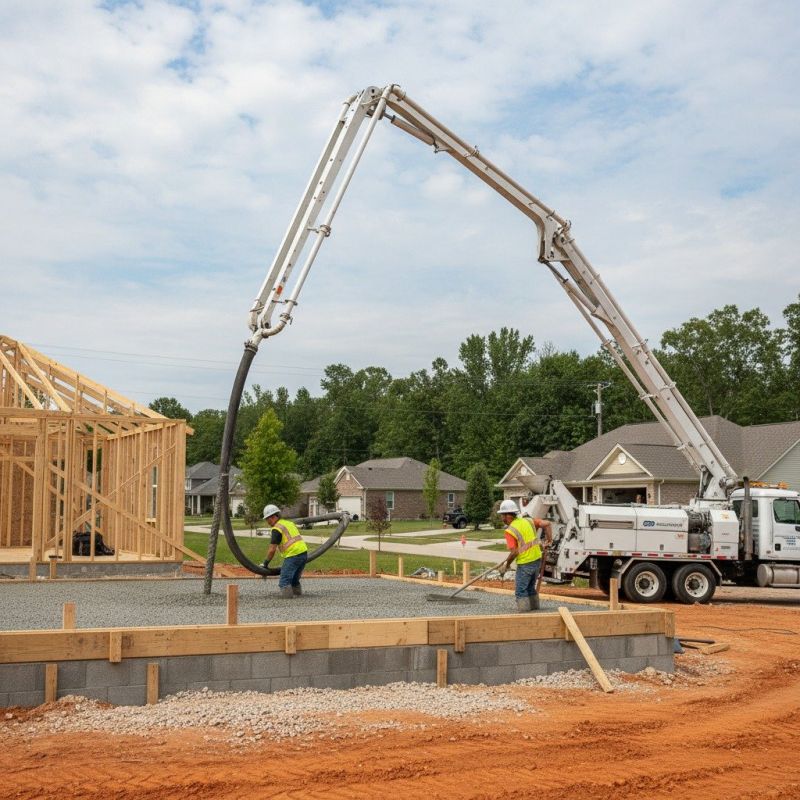
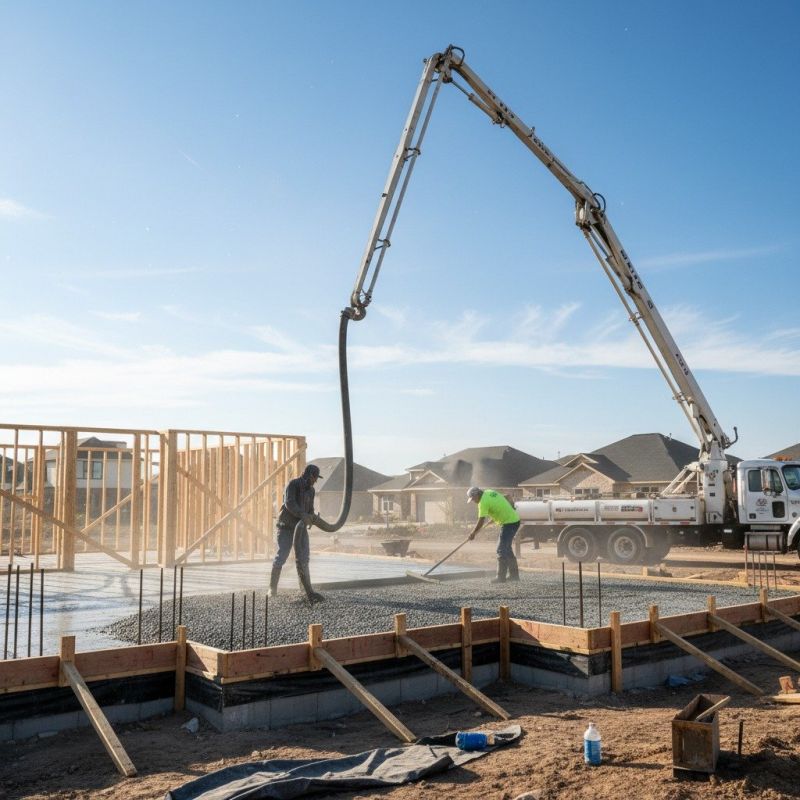
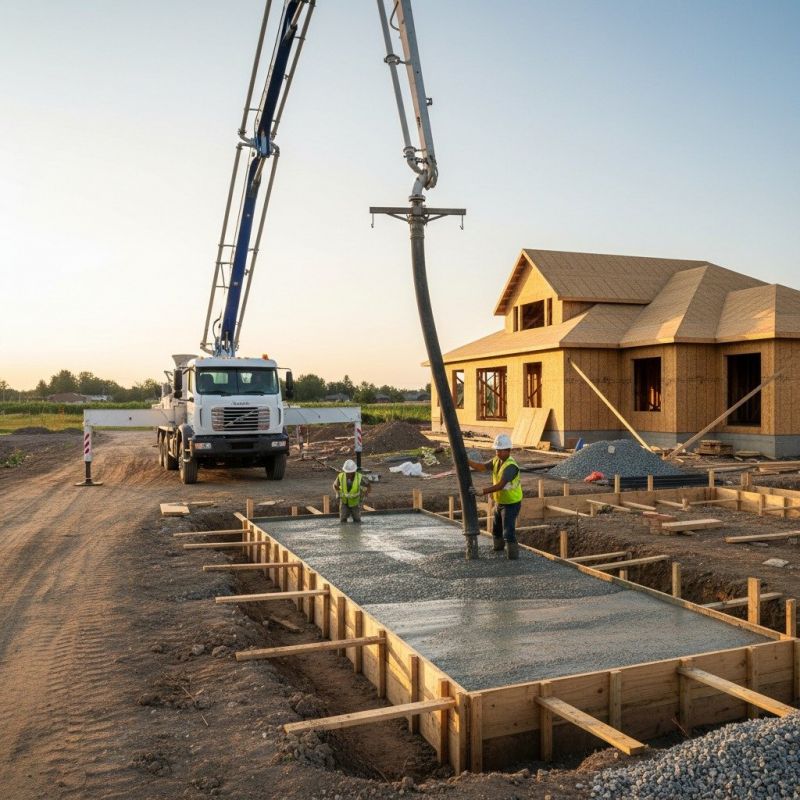
When searching for information about commercial concrete pumping vs. traditional pouring methods, most people are trying to understand the differences in how concrete is delivered and placed during construction or renovation projects. This comparison often comes up in the context of large-scale commercial builds, industrial facilities, or sizable residential developments. Homeowners or project managers may want to know which method offers better efficiency, precision, or suitability for specific types of projects. Clarifying these aspects helps determine the most effective approach for achieving a durable, properly finished concrete surface, especially when dealing with complex layouts or tight spaces.
This topic is closely related to various project plans and challenges that property owners encounter. For instance, projects involving multi-story buildings, expansive slabs, or hard-to-reach areas often raise questions about the best way to pour concrete. Traditional pouring methods typically involve wheelbarrows, shovels, and manual labor, which can be time-consuming and labor-intensive, especially for larger areas. Commercial concrete pumping, on the other hand, uses specialized equipment to transport concrete via hoses or pipes, enabling faster placement over long distances or difficult terrains. Understanding these differences helps property owners and contractors choose the right approach to meet project deadlines, ensure quality, and reduce labor costs.
The types of properties most associated with this comparison include commercial facilities, warehouses, parking garages, and large residential developments. These projects often require large volumes of concrete to be poured efficiently and accurately. For smaller residential projects, traditional pouring methods might still be practical, especially for limited areas like patios or small foundations. However, for larger or more complex properties-such as multi-story buildings or extensive concrete slabs-commercial concrete pumping offers notable advantages in speed and placement precision. Local service providers specializing in commercial concrete pumping are equipped to handle these larger projects, providing solutions that can improve workflow and ensure consistent results.
For homeowners or project managers, understanding how commercial concrete pumping and traditional pouring methods connect to real projects can clarify which approach best fits their needs. Local contractors offering commercial concrete pumping services are familiar with the equipment and techniques suited for various property types and project sizes. They can help determine whether this method is suitable for a specific project, especially when dealing with large areas, tight spaces, or challenging terrains. Connecting with these local experts ensures that the concrete is placed efficiently, accurately, and in a manner that supports the overall success of the construction or renovation effort.
Foundation Construction - Contractors specializing in foundation work often utilize similar planning and equipment skills when choosing between commercial concrete pumping vs. traditional pouring methods for stability and efficiency.
High-Rise Building Projects - These projects require precise placement of concrete in hard-to-reach areas, making the expertise of local contractors familiar with both pumping and pouring techniques highly valuable.
Bridge and Infrastructure Projects - Large-scale infrastructure work benefits from the use of concrete pumping to efficiently handle extensive and complex pours, paralleling skills used in traditional methods.
Industrial Facility Construction - Building large industrial spaces often involves heavy concrete work where local service providers leverage similar planning and equipment skills across both pouring methods.
Parking Garage Development - The construction of multi-story parking structures involves extensive concrete placement, requiring local contractors experienced in both pumping and traditional pouring approaches.
Architectural Concrete Installations - Custom and decorative concrete projects often demand precise placement, with local pros applying comparable skills whether using concrete pumping or traditional pouring methods.
When comparing service providers for commercial concrete pumping versus traditional pouring methods, it’s important to assess their experience with similar projects. Homeowners should inquire about the types of commercial projects the contractors have handled in the past, paying attention to the size and complexity of those jobs. A contractor with a solid track record in commercial concrete pumping can offer insights into the equipment and techniques that work best for specific site conditions, ensuring the chosen method aligns with project requirements. Understanding a local contractor’s experience helps gauge their familiarity with the nuances of commercial work and their ability to deliver efficient, reliable results.
Clear written expectations are essential when evaluating different service providers. Homeowners should seek detailed proposals that outline the scope of work, the methods to be used, and the responsibilities of each party. This transparency helps prevent misunderstandings and provides a basis for comparing the advantages of commercial concrete pumping versus traditional pouring. Well-documented expectations also serve as a reference point throughout the project, ensuring that the chosen contractor understands the specific needs of the job and can deliver accordingly. A professional contractor will be willing to communicate these details openly, fostering confidence in their approach.
Reputable references and effective communication are key factors in selecting the right local contractor for the job. Homeowners should ask for references from previous clients who had similar projects, especially those involving commercial concrete pumping. Speaking with past clients can reveal insights into the contractor’s professionalism, reliability, and ability to meet project expectations. Additionally, good communication throughout the process is vital for addressing questions, clarifying procedures, and adapting to any project changes. Service providers who prioritize clear, responsive communication and can provide solid references are more likely to ensure a smooth and successful project outcome, regardless of whether commercial concrete pumping or traditional methods are used.
Property owners often search for commercial concrete pumping vs. traditional pouring methods when they are planning practical projects around their homes and businesses. Local pros provide Commercial Concrete Pumping services for everyday jobs and straightforward project options.
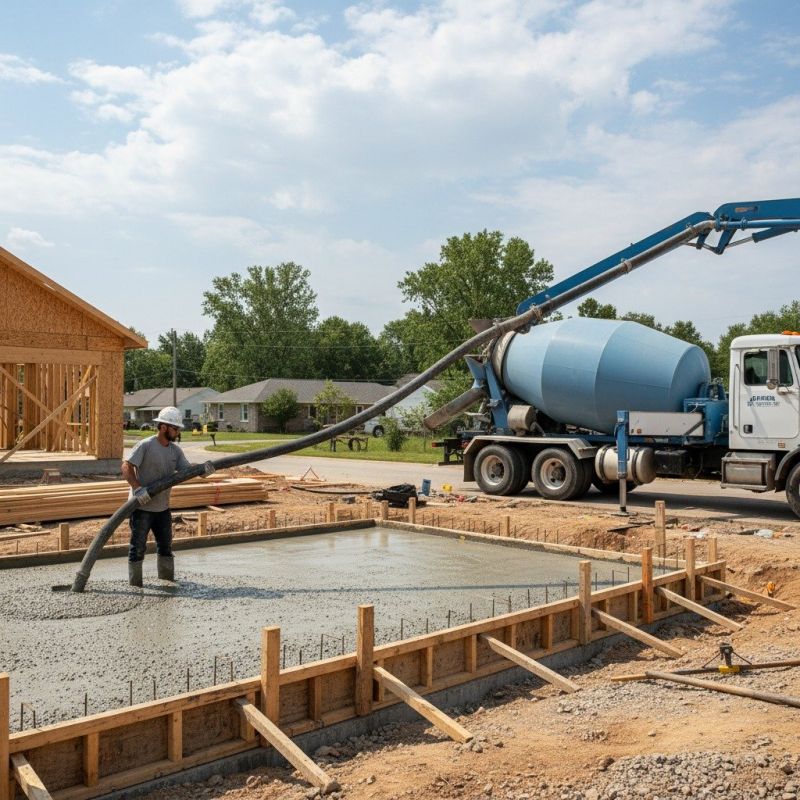
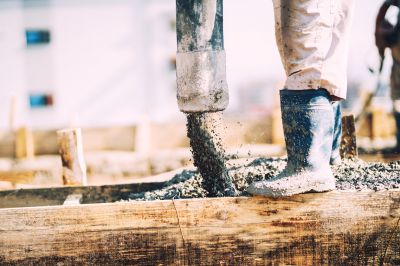
When undertaking a construction or remodeling project on a property, property owners often consider the most efficient way to pour concrete. Traditional pouring methods typically involve manually transporting concrete in wheelbarrows or using basic hoses, which can be labor-intensive and time-consuming, especially for larger or more complex jobs. Commercial concrete pumping services offered by local contractors can streamline this process, providing a steady and precise flow of concrete directly to hard-to-reach areas, reducing the physical effort needed on-site. This approach is particularly advantageous for projects with tight deadlines or those requiring concrete to be placed at elevated heights or over long distances.
Property owners in the area might explore commercial concrete pumping versus traditional pouring methods when they need to improve project efficiency or ensure a more uniform application of concrete. Local service providers can offer equipment that reaches difficult spots and handles large volumes quickly, which can be especially helpful for commercial or large-scale residential projects. By choosing professional concrete pumping services, property owners can often save time and labor, making it easier to manage their project timelines and reduce onsite disruptions. Comparing these options helps determine the best approach based on the scope and specific requirements of the project.
How does commercial concrete pumping differ from traditional pouring methods? Commercial concrete pumping uses specialized equipment to transfer concrete directly to the desired location, often allowing for faster and more precise placement compared to manual or wheelbarrow pouring methods handled by local contractors.
What are the advantages of using commercial concrete pumping services over traditional pouring? Using commercial concrete pumping can reduce labor effort, improve placement accuracy, and enable access to hard-to-reach areas, which can be beneficial when working with large or complex projects managed by local service providers.
Can commercial concrete pumping be used for all types of concrete projects? While commercial concrete pumping is suitable for many large-scale or complex projects, local pros can assess specific job requirements to determine if this method is appropriate compared to traditional pouring techniques.
Are there any limitations to commercial concrete pumping compared to traditional methods? Commercial concrete pumping may be limited by site accessibility, height restrictions, or project size, but local contractors can evaluate these factors to recommend the best approach for each project.
How do local pros ensure the quality of concrete placement with pumping versus traditional pouring? Local service providers use specialized equipment and experienced operators to ensure proper placement, which can lead to improved consistency and reduced waste compared to manual pouring methods.
Choosing the right method for large-scale projects - property owners can evaluate whether commercial concrete pumping offers efficiency benefits over traditional pouring for big construction jobs.
Assessing site accessibility and setup needs - local contractors can help determine if a site’s layout makes commercial concrete pumping more practical than manual pouring methods.
Considering project speed and labor savings - property owners might opt for commercial concrete pumping services to reduce the amount of manual work and accelerate completion times.
Evaluating concrete consistency and placement precision - commercial concrete pumping can provide more uniform distribution in complex or hard-to-reach areas, ensuring quality results.
If you are thinking about commercial concrete pumping vs. traditional pouring methods for a property, this guide is meant to help you understand this topic, the typical project types, and how different options might fit your plans.
When you are ready, you can use the quote form on this page to share a few details about your project. From there, local pros can review the basics and follow up with options that match what you have in mind.